
Spanish
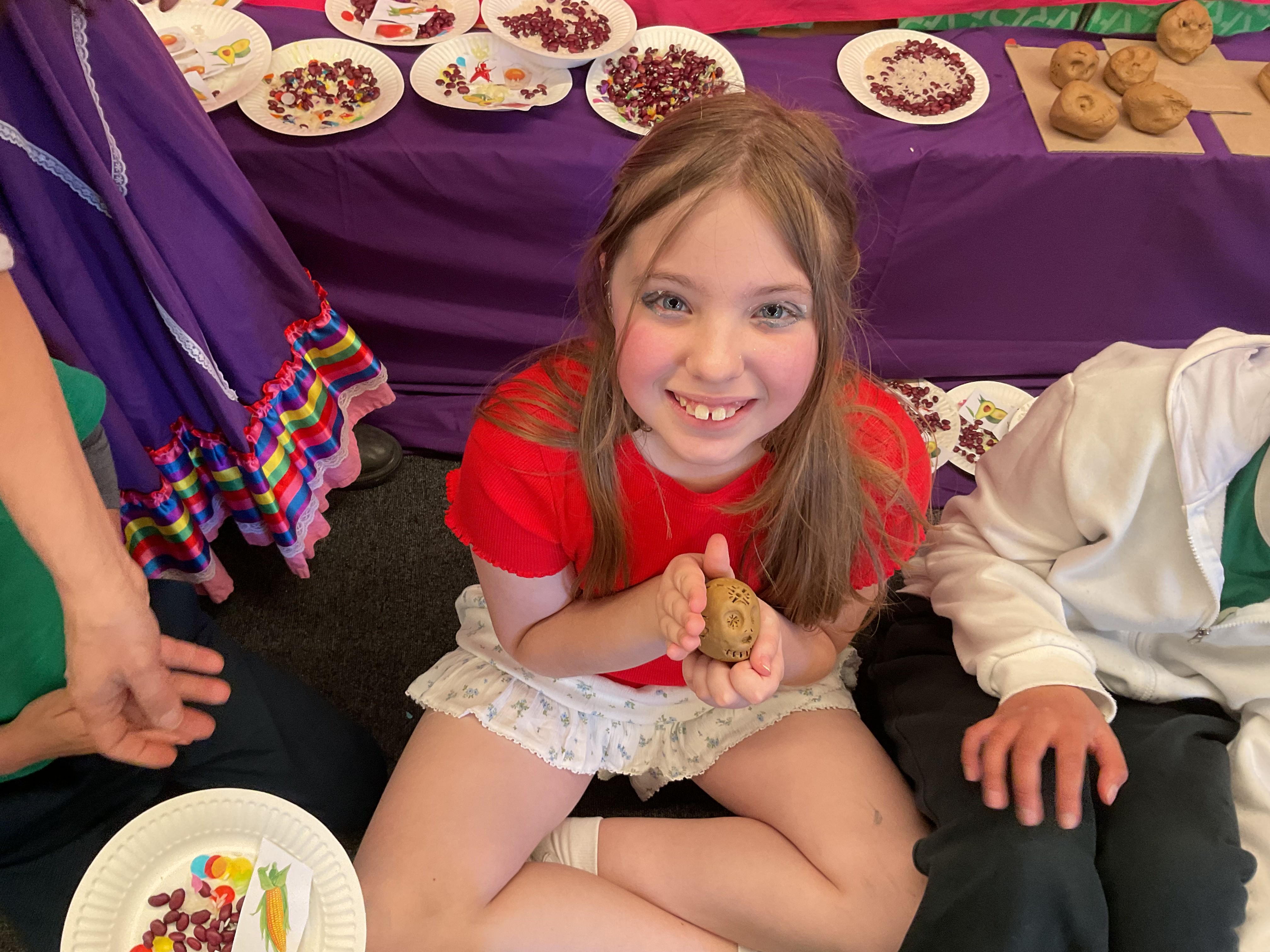
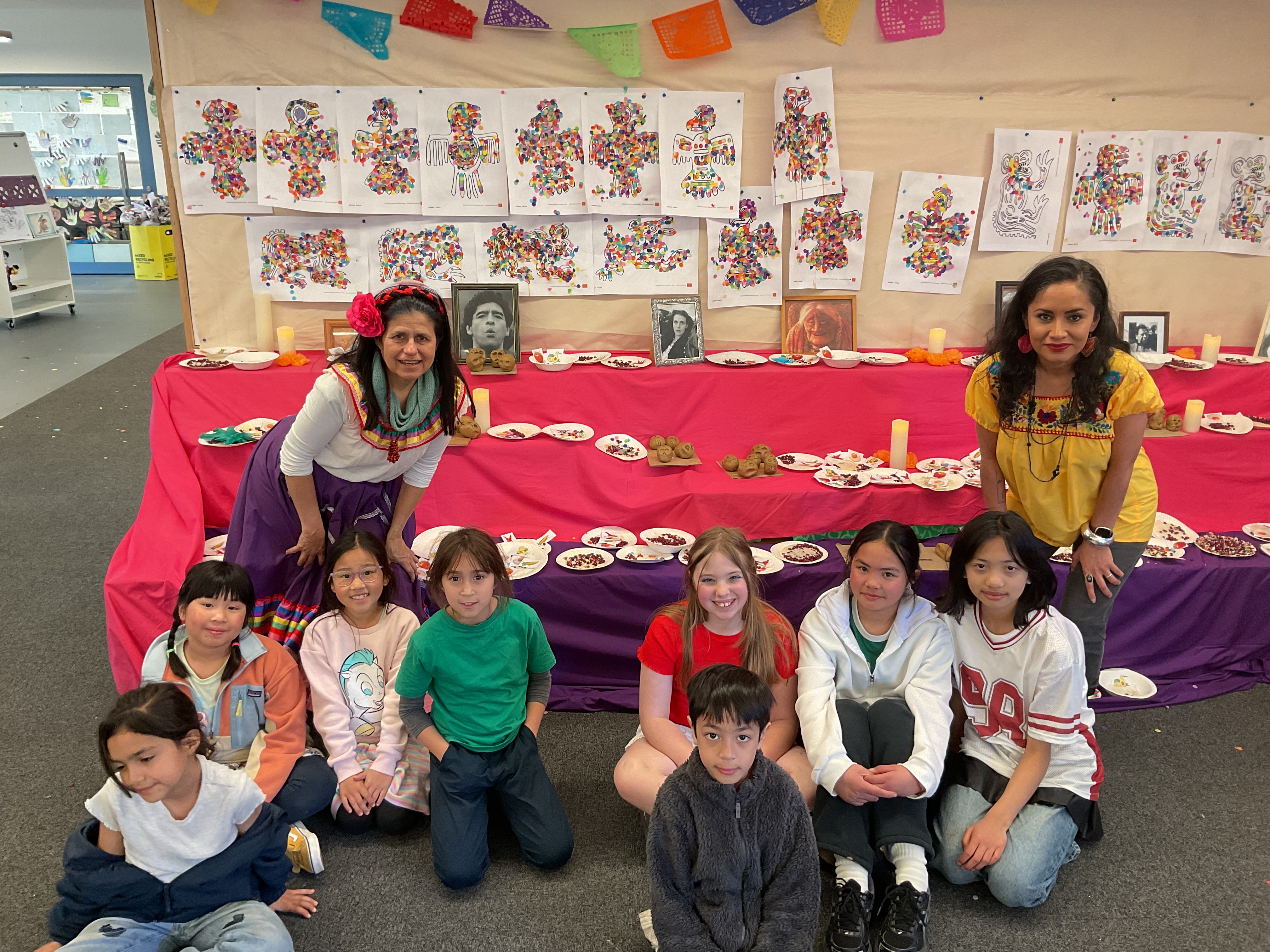
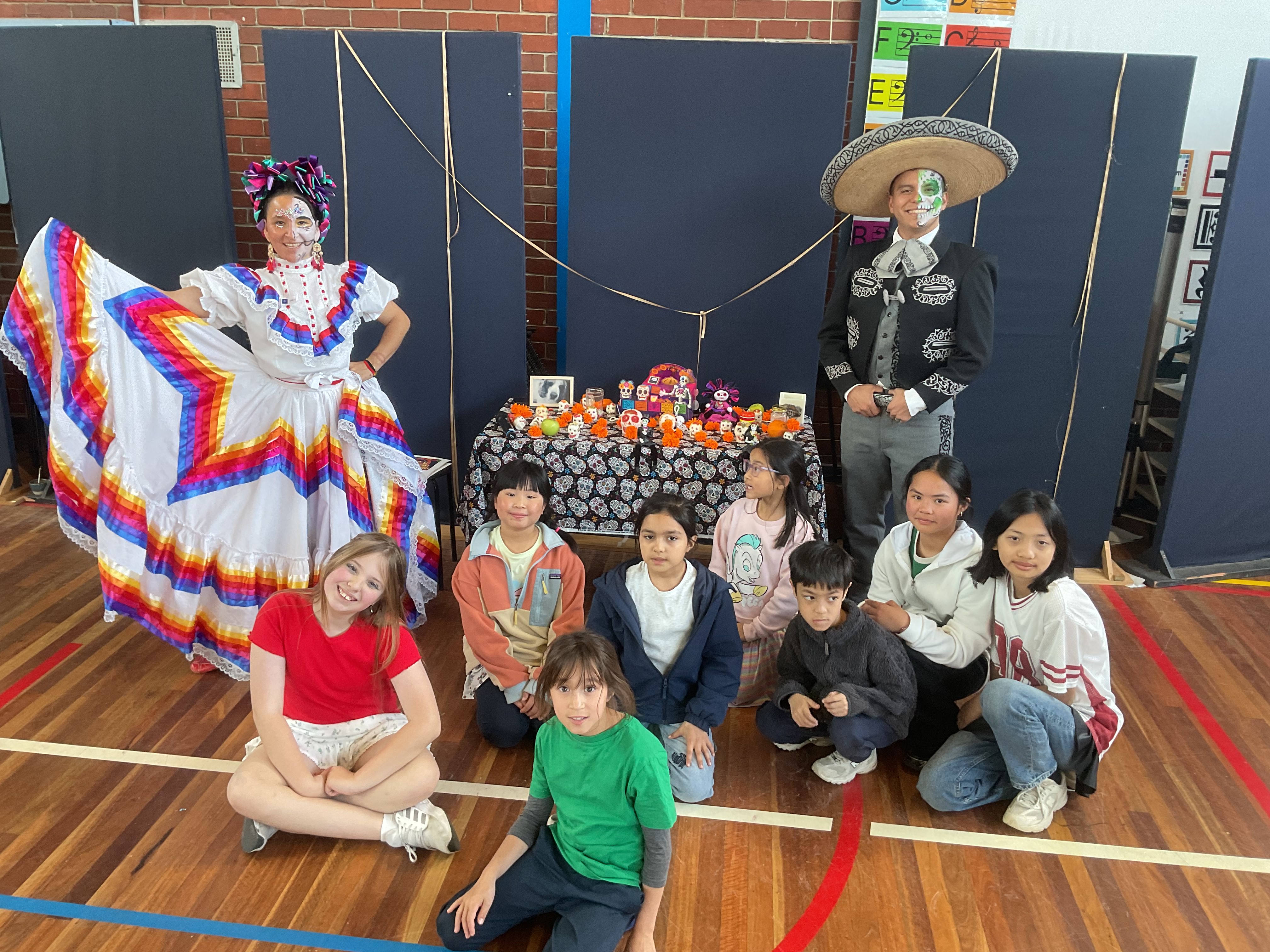
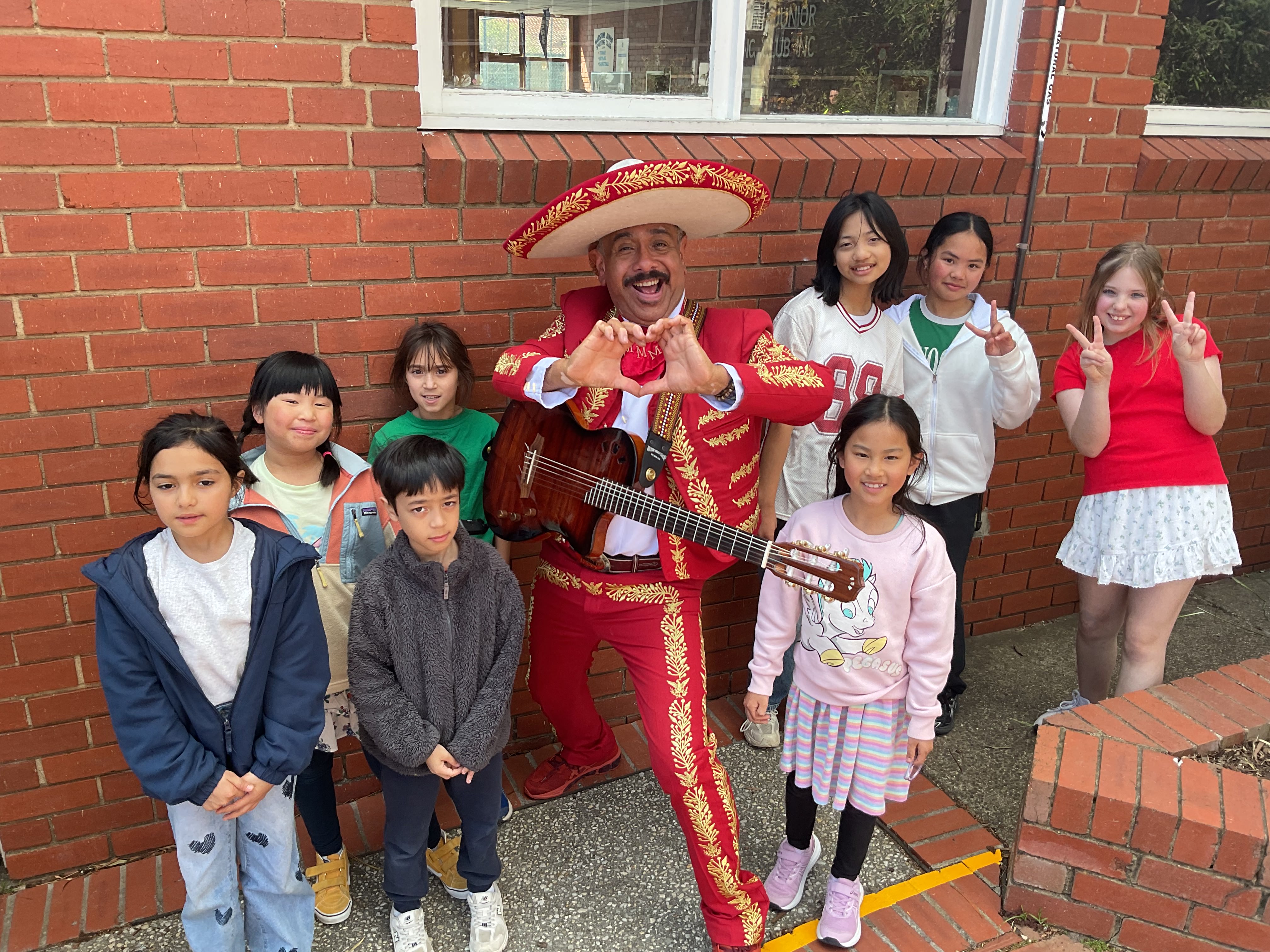
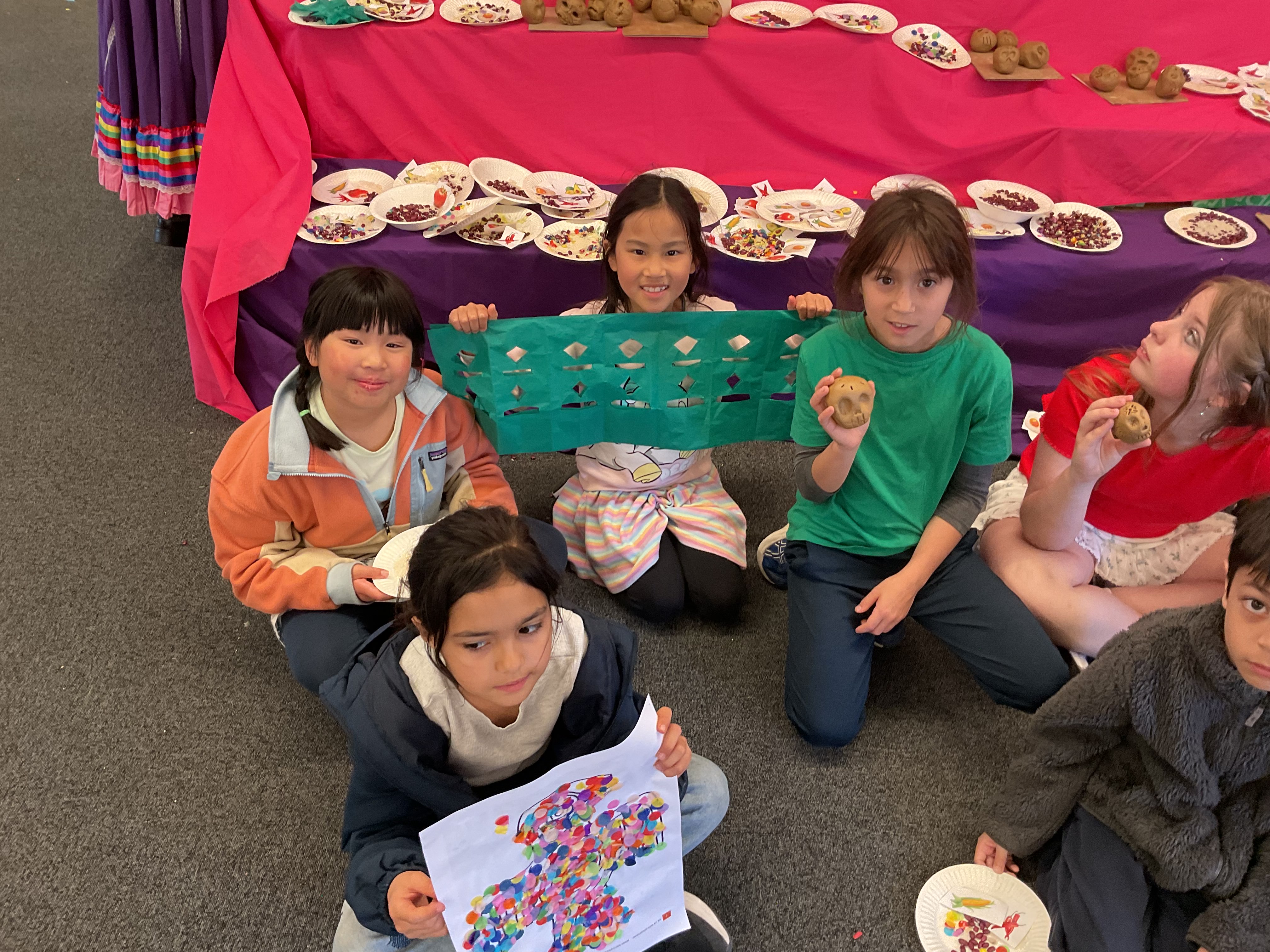
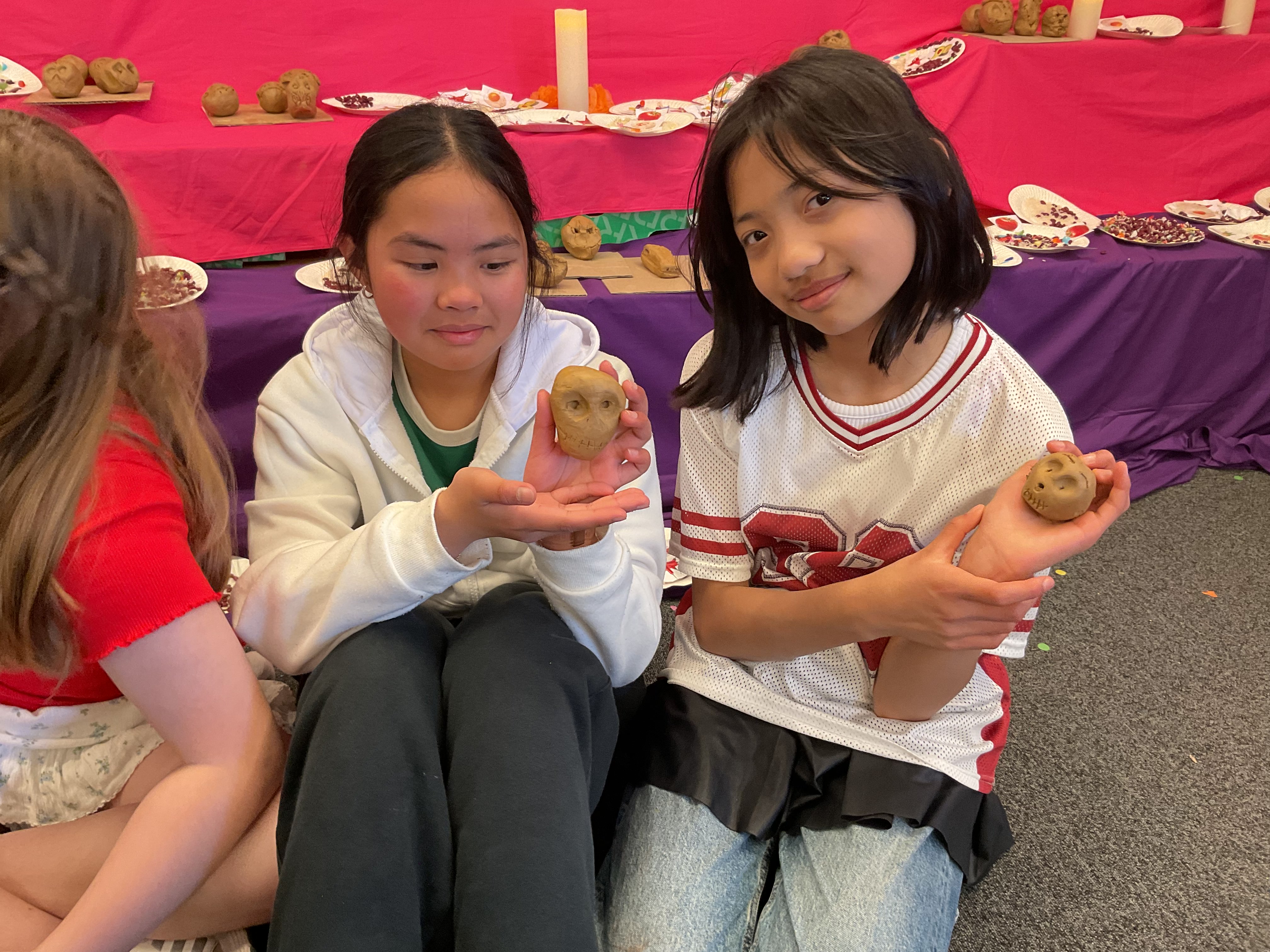
The Spanish program at FNPS explores language through songs, games and role-playing to acquire basic communication skills in Spanish. Throughout the year, students also explore the cultures of the different Spanish speaking languages. Once a year, we have the Spanish Day focused on a particular aspect of the Spanish culture of a country or group of speaking-Speaking countries. It is encouraged students practice the language outside the classroom if they want to consolidate the skills acquired in their Spanish classes. The Spanish program has a dedicated website for Students to explore at:
Prep
Prep students initiate the discovery of the Spanish language through songs, games and stories. Prep students are encouraged to move when learning the language. They practice introducing and creating a profile of themselves. They approach the topics of family, healthy food, domestic and farm animals in a playful way.
Year 1
Year 1 students continue developing their basic Spanish communication skills. Like in Prep, year 1 students develop their language skills through songs, games and role-playing. They also start exploring the connection between the spoken and written language. Students continue practicing themselves and speaking about their families. They also deepen their knowledge of food vocabulary by speaking about the different fruits they eat at home and bring in their lunch boxes. Students also learn the Spanish name of the different classroom items; they need to do their work in Spanish.
Year 2
Year 2 students explore the spoken and written language through songs, games, and role-play. They acquire the language through meaningful repetition of the relevant vocabulary in playful and game-based interactions. Year 2 students explore describing themselves, expressing what daily activities they like to do and what places they go to throughout the day.
Year 3
Year 3 students keep building on the Spanish language skills acquired through the Foundation years. Students will practice the language through songs, role-plays, games and the making of different artifacts related to the topic at hand. Practice starts focusing on writing more meaningful text in Spanish. They will also start an exploration of the Spanish-Speaking countries by locating them on a world map and pretending they are going there. Year 3 students explore interesting places in these countries and express whether they like them and where these places are located. Year 3 students also approach aspects of Spanish culture from the perspective of food. They learn different food items and dishes made in different Spanish-speaking countries.
Year 4
Year 4 students start exploring more complex language. They practice seeking information by asking questions. They also explore more complex relationships in the language such as gender and number agreement. They approach these language relationships while exploring different topics. Year 4 students practice describing themselves and other people. They learn about famous people in the Spanish-Speaking world while practicing descriptions. Year 4 students explore the topic of housing. They learn what housing looks like in Spanish-speaking countries. Students are given the choice of creating a sketch of what they think the ideal bedroom is. They also practice describing their ideal bedrooms. Students also explore the topic of fashion in year 4. They create a repertoire of clothing drawings and label them in Spanish. They also describe what they like to wear in Spanish.
Year 5
Year 5 students start bringing together the language skills they had been practicing during the Foundation and Middle Years. They are encouraged to inquire about different aspects of the topics explored in this year. They practice the language by asking questions, expressing opinions and collaborating with their classmates. Games and role-playing play an important part of language learning in year 5 as well. Grade 5 students practice asking questions about sports and explaining what sports they like to practice. They also learn about other sports practiced in the different Spanish speaking countries. Year 5 students explore the topic of housing. They learn what Spanish cities look like compared to Australian cities. In addition, they describe different apartments and houses and their contents. Students are given the opportunity to design their own houses and use the Spanish language they practiced during their lessons to describe their designs. Year 5 students explore the topic of money as well. They learn about numbers, food and the monetary system of Spain. They explore supermarket sites in Spain and learn about the different food items sold there compared to the Australian food sites. Students are given the opportunity to show their language skills buy pretending to do their grocery list in Spanish within a certain budget.
Year 6
Year 6 attempts to bring together the main language structures and vocabulary practiced throughout the primary years. Year 6 students are encouraged to work together as well as independently to practice the Spanish language. Communication through games and role-play plays an important role in Year 6 as well. They write more complex text and listen to different dialects of the Spanish language. They practice expressing opinions and likes through the topic of leisure. Year 6 students also explore the topic of cities. They inquire about the different types of stores that are in a city and are encouraged to describe their neighbourhoods. Students make a plan of a neighbourhood and describe what is in them in Spanish. Students are shown what different Spanish-Speaking cities look like as well. In their final term, year 6 students revisit the topic of descriptions. They go deeper in learning descriptive vocabulary and learn how to describe character traits as well. They explore different Spanish speaking personalities and practice describing them. For their final project, they are encouraged to create a fictional character and describe it in Spanish.
© Copyright Footscray North Primary School